Quick Links
Favorites
Customize ESPN


ESPN Sites


ESPN Apps


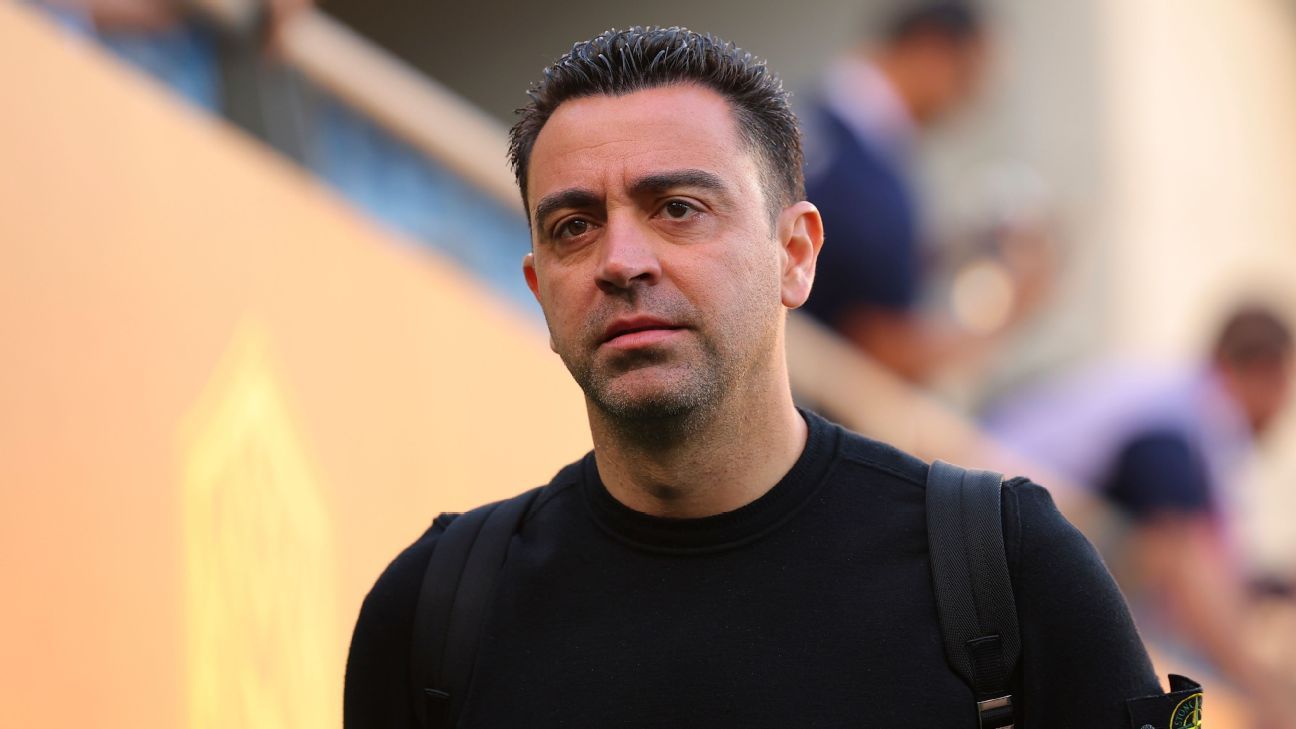
Source: Xavi to remain Barça coach after U-turn
Xavi Hernández has agreed to remain on as Barcelona coach until the end of his contract in 2025, a source has confirmed to ESPN, reversing his decision to step down in the summer.
TOP HEADLINES
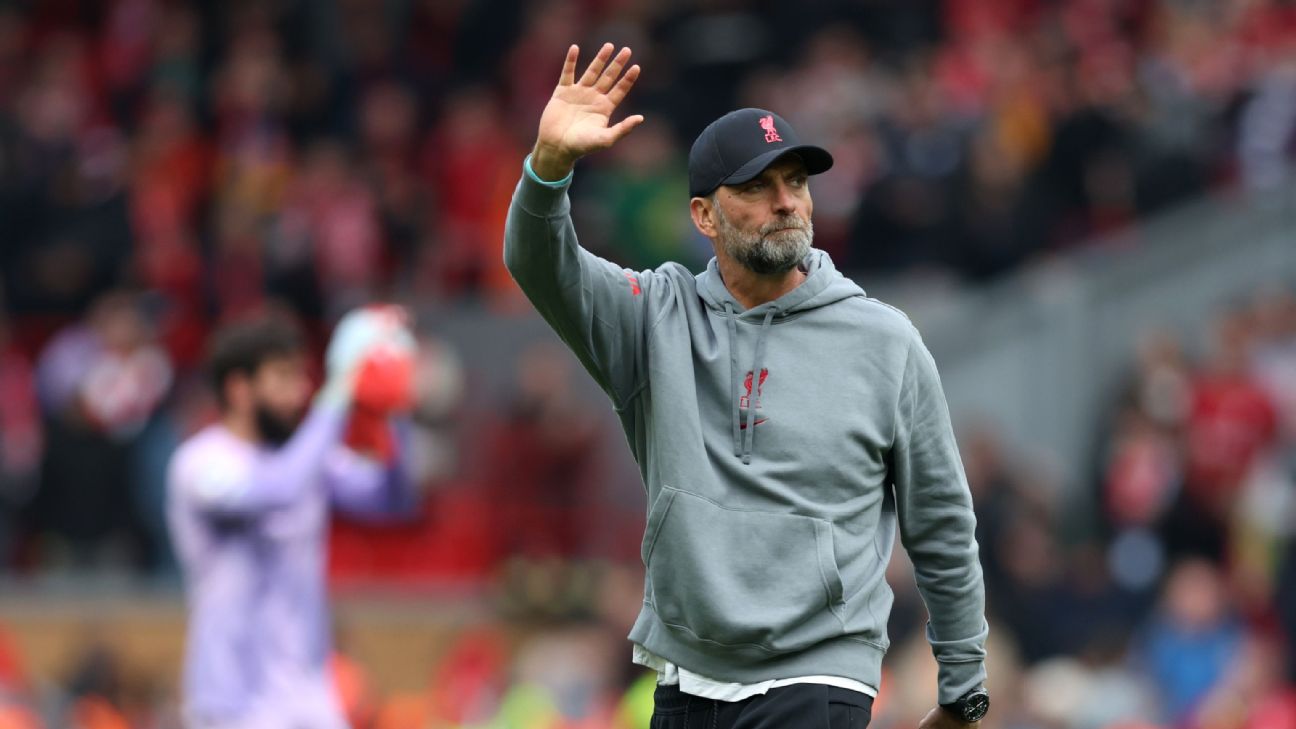
Follow live: Title-chasing Liverpool visit Everton for Merseyside derby

GLOBAL SOCCER SCOREBOARD
WEDNESDAY'S GAMES

LEAST LIKELY SUCCESS STORY
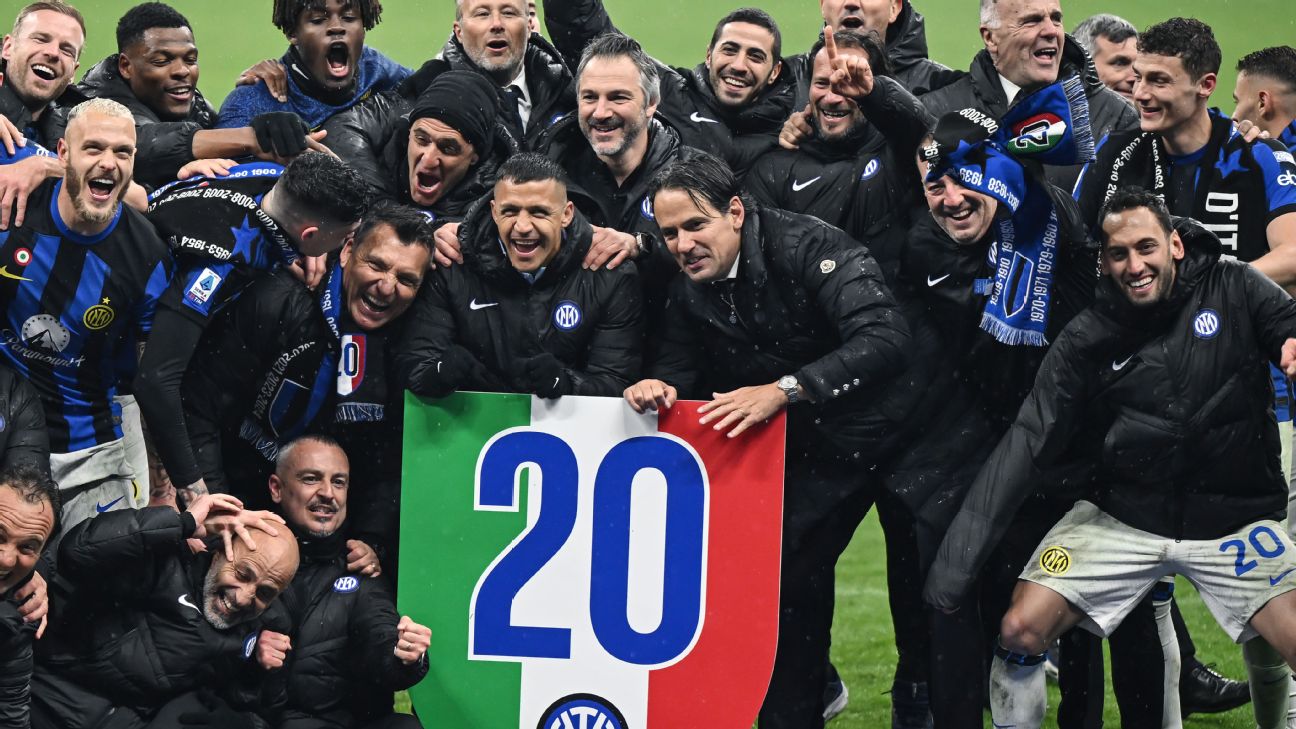
Why Inzaghi deserves some love after Inter Milan cruise to Serie A title
Credit Inter's execs for building this title-winning team, but their unheralded manager is the biggest -- and possibly least likely -- success story.
ASSESSING BARCELONA'S FINANCES
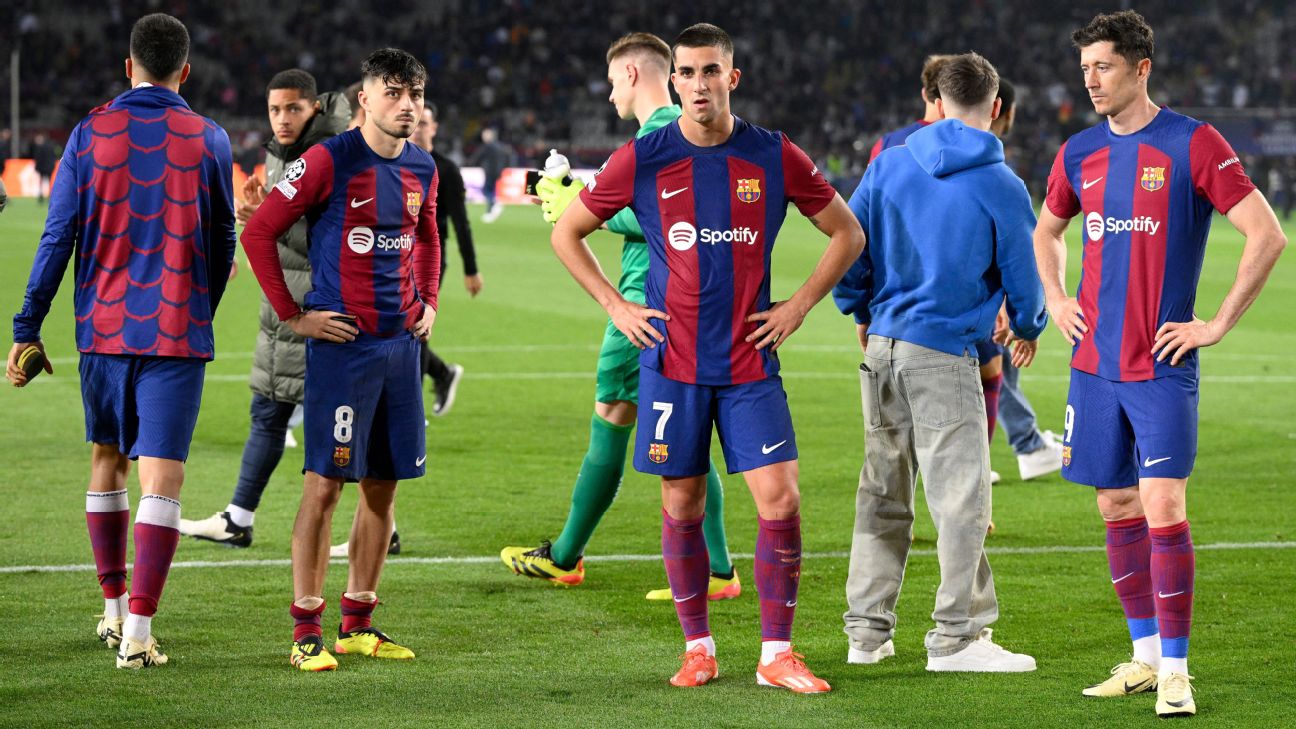
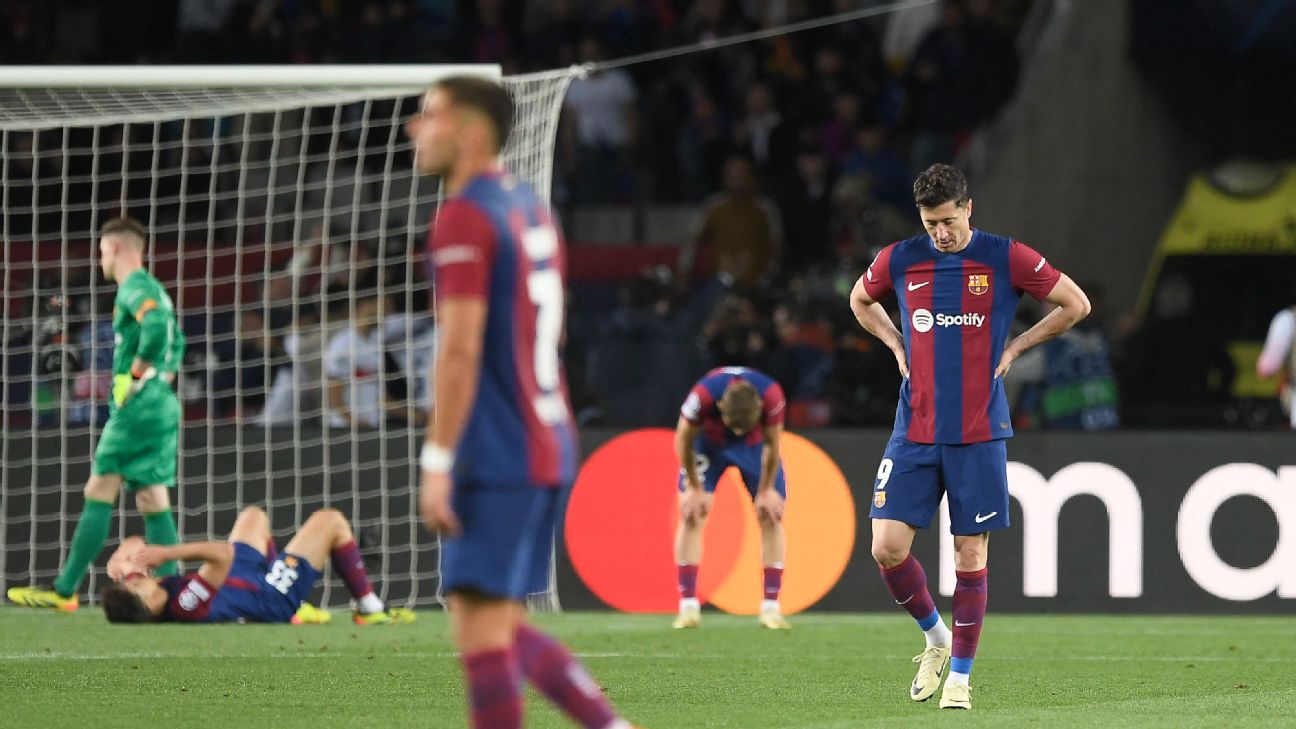
The state of Barcelona's finances: How bad are they? Can they be fixed?
Despite asset sales, Barcelona's finances remain a major problem. After their Champions League exit and El Clasico defeat, how bad is the situation?
EVALUATING MAN UNITED UNDER TEN HAG
Is keeping Ten Hag actually the best option for Manchester United?
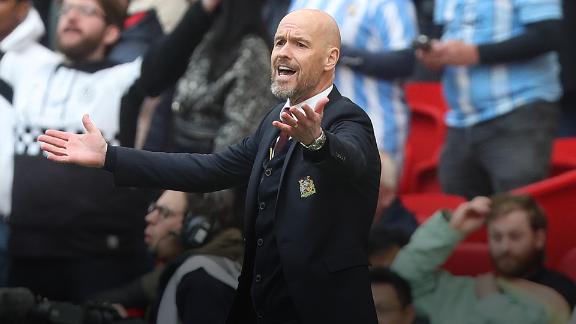
When big spending falls flat: Ranking all 16 Man United player moves under Erik ten Hag
Man United spent more on players than all but two clubs in the world under Ten Hag, but the team still isn't good.

SOCCER TRANSFERS
LIVE Transfer Talk: Arsenal, Man City to battle for Bruno Guimarães
Man City and Arsenal are interested in signing Newcastle midfielder Bruno Guimarães, according to reports. Transfer Talk has the latest.


ARSENAL ROUT CHELSEA
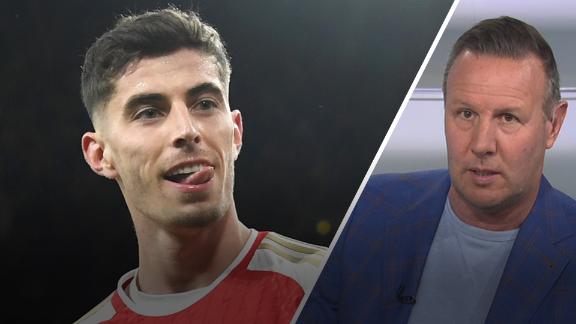
Arsenal highlight everything that is wrong with Pochettino's Chelsea
Arsenal's 5-0 win over Chelsea not only demonstrated how serious the Gunners are on their quest to win the Premier League, but also how different they are compared to their London rivals.
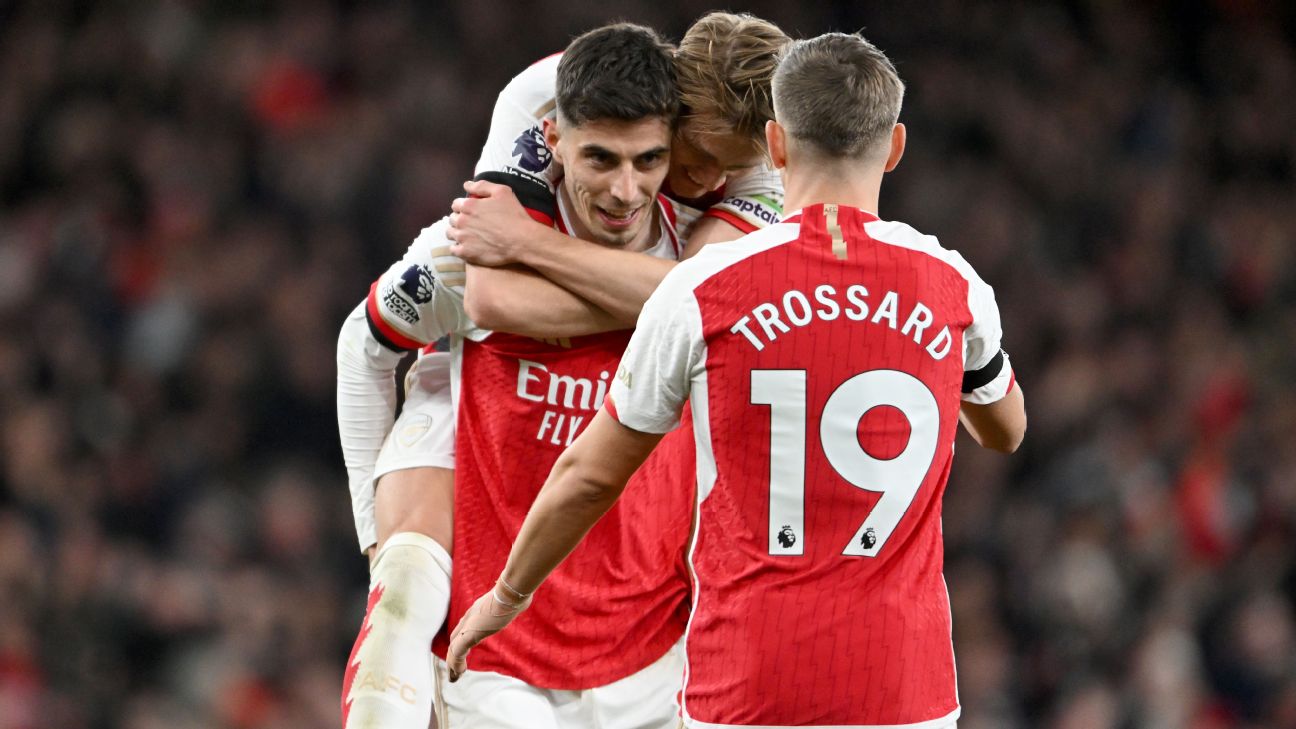
Burley: Arsenal absolutely wiped the floor with Chelsea
WOMEN'S CHAMPIONS LEAGUE
BARCA-CHELSEA (SATURDAY) & LYON-PSG (SUNDAY)
Will Barcelona be out for revenge against Chelsea in semifinal second leg?
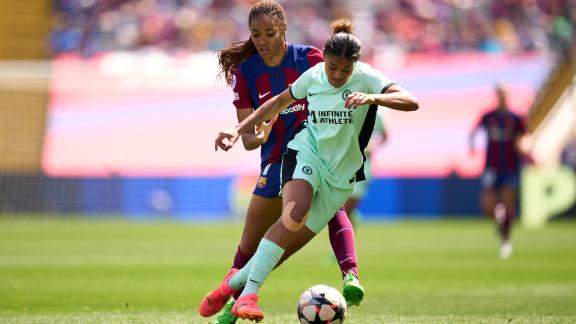
Can Lyon's Champions League pedigree see them through in semifinal second leg?

Top Headlines
- Tebas: LaLiga could play in U.S. as soon as '25
- Mbappé makes history to put PSG on brink of title
- Sources: Ten Hag faces pay cut if he stays at Utd
- Current fires medical lead in fraternization breach
- Rangnick on Bayern talks: 'Do I even want it?'
- PSV want Dest return despite serious knee injury
- Sources: Liverpool open talks over manager Slot
- Agent denies threatening Abramovich ally over fee
- Ranking Ten Hag's moves for Man United
Best of ESPN+
- JOSEP LAGO/AFP via Getty Images
Can Barcelona ever close the gap to Clasico rivals, Real Madrid?
Last season, Barcelona won LaLiga over Real Madrid by a considerable margin; this season, the tables have turned dramatically. With Barca suddenly in crisis, what would it take for them to catch up?
- Peter Byrne/PA Images via Getty Images
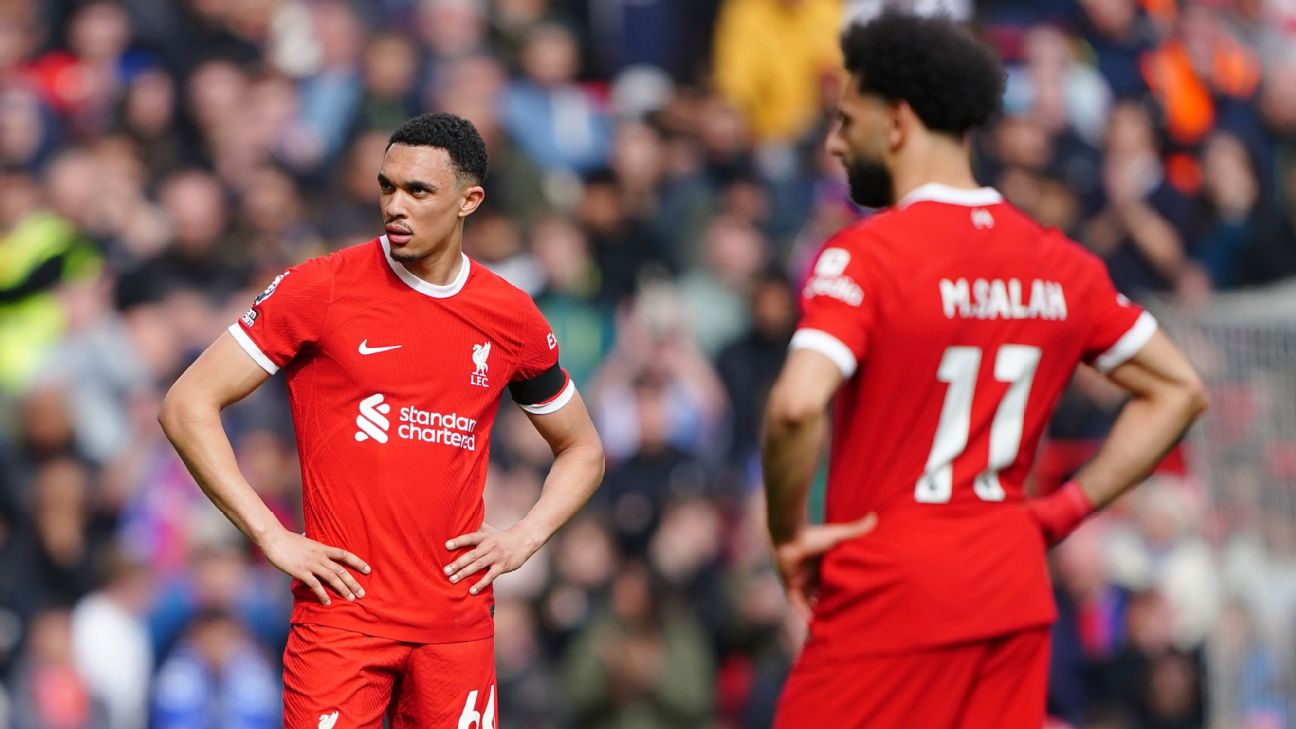
Is Liverpool's Premier League, Europa League quest over?
It has been a tough week for Liverpool, with critical losses wrecking hopes of a treble. How did they get here, and is there a way back?
Trending Now
- Colin McPherson/Corbis via Getty Images
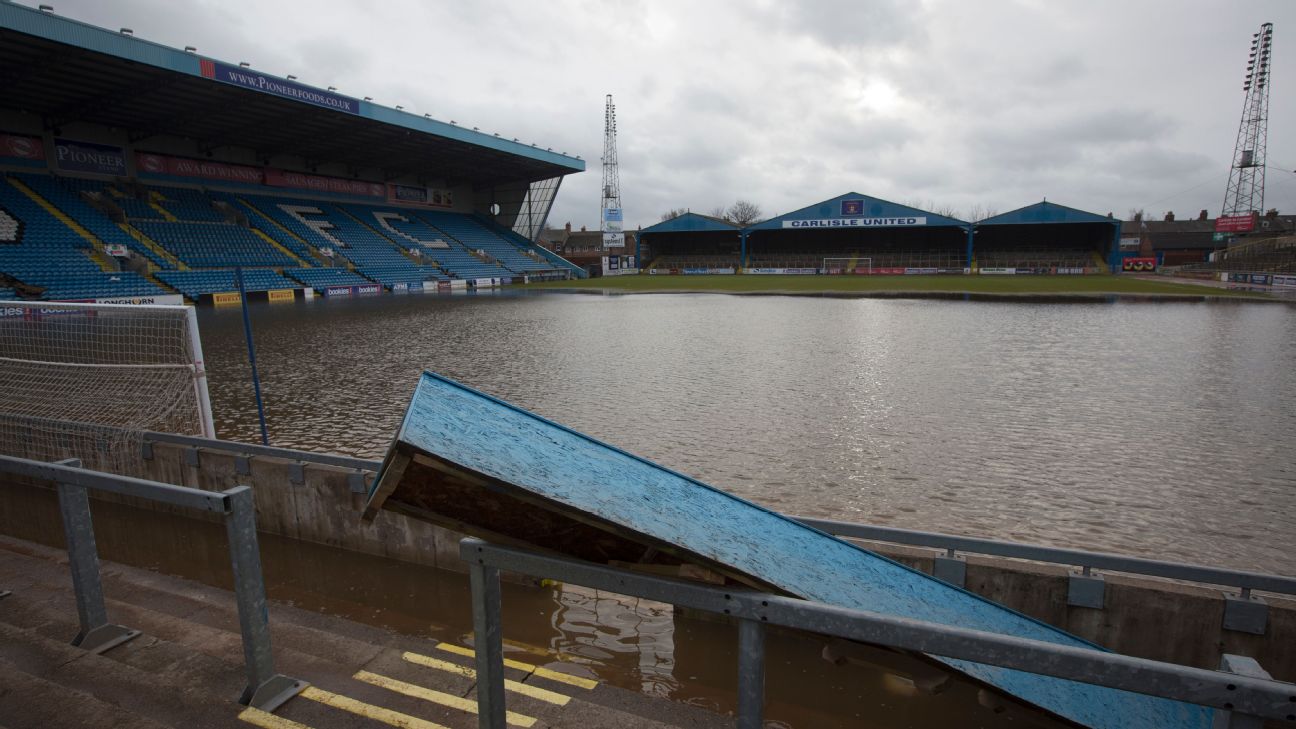
Football's climate change threat: Flooded stadiums, too hot to train
One in four stadiums in England are predicted to experience flooding by 2050. What is soccer's environmental impact and what can be done to reduce it?
- Donald Page/Getty Images
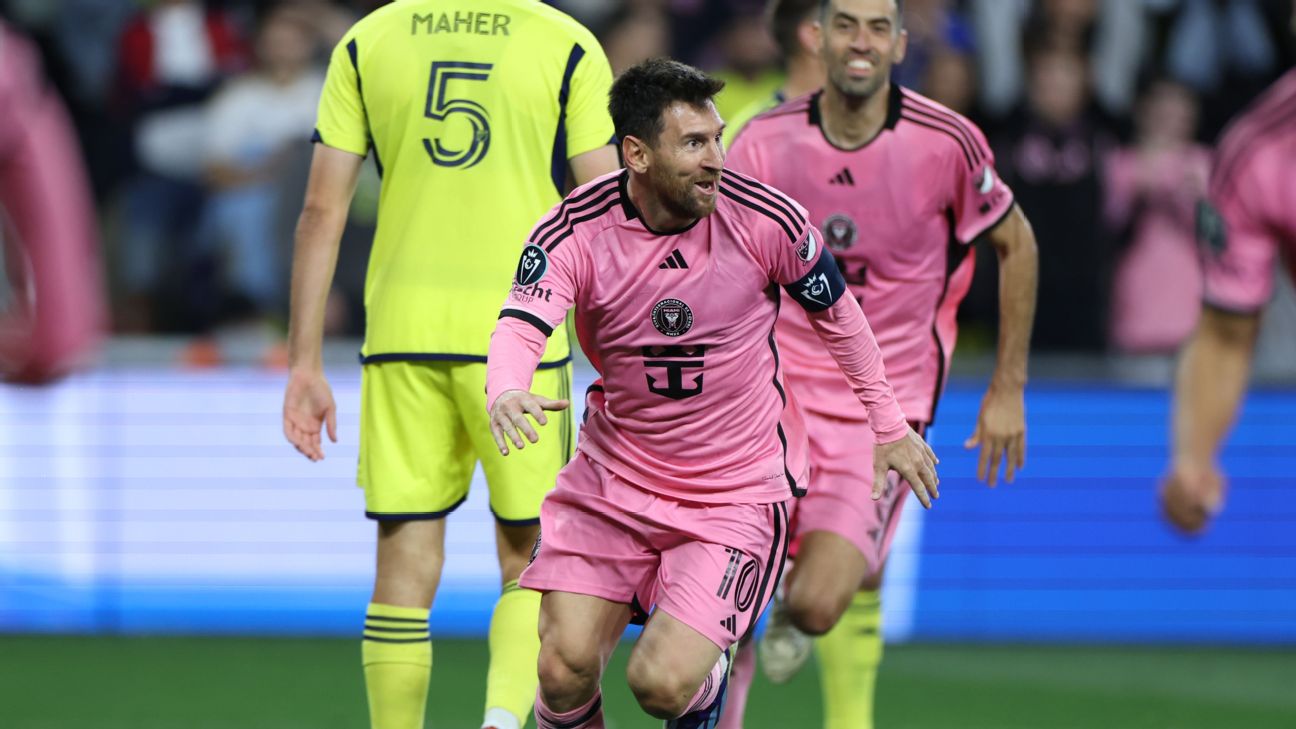
Messi tracker: Inter Miami games, goals, assists, more stats
Lionel Messi is in first full season with MLS side Inter Miami. Here's game-by-game analysis of how the World Cup winner is performing for his team.
Tables, fixtures and scores
- Photo by James Gill - Danehouse/Getty Images
League tables
Updated tables from the Premier League, Champions League, LaLiga, English Football League and more.
- Photo by Andrew Kearns - CameraSport via Getty Images
Upcoming fixtures
Keep track of all the important upcoming fixtures for all the clubs and countries in world football here.
- Guillermo Martinez/SOPA Images/LightRocket via Getty Images
Latest scores
Results and scores from the Premier League, Champions League, LaLiga, English Football League and more.